
Is a degree enough to secure the career you want? A qualification helps, but employers also look for practical skills, evidence and adaptability.
A university degree can open doors, but in today’s competitive job market it is rarely the only thing employers consider. Qualifications show that you have completed a structured programme of study. Employers also want evidence that you can solve problems, communicate clearly, learn quickly and use modern tools responsibly.
So, is a degree enough to get a job? It is an important foundation, but the strongest candidates combine academic knowledge with practical skills, visible projects and the confidence to explain the value they can bring to a team.
What employers look for beyond a degree
A hiring manager is usually trying to answer a practical question: can this person do the work, collaborate with others and adapt when the job changes? Your CV, portfolio, online profile and interview answers should make that easy to understand.
- Role-specific ability: knowledge of the software, processes and standards used in your target field.
- Communication: the ability to write a clear email, explain an idea and listen carefully.
- Problem-solving: examples showing how you analysed a situation and delivered a useful result.
- Digital confidence: comfort with common workplace platforms, data and AI-assisted workflows.
- Professional reliability: evidence that you can plan work, meet deadlines and take responsibility.
Why practical AI skills now matter
AI is no longer relevant only to software professionals. Marketing, finance, operations, administration, education and customer service teams use AI tools to organise information, draft first versions, compare options and automate repetitive steps. Knowing how to use these tools well can help you work faster without sacrificing judgement.
The goal is not to let AI think for you. It is to give good instructions, check the output, protect confidential information and improve the final result with your own expertise. Those habits demonstrate initiative and responsible decision-making.
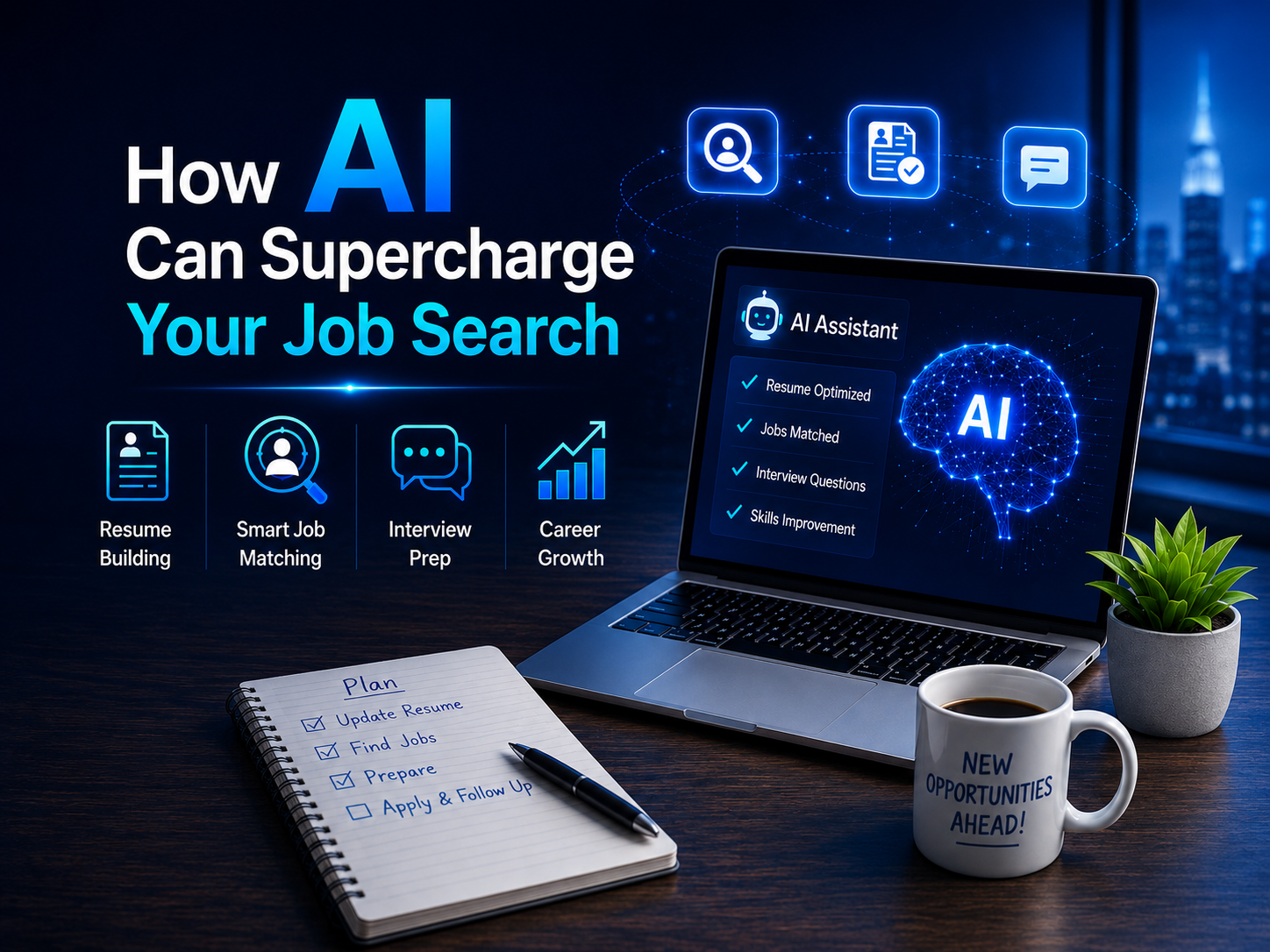
How AI can support your job search
1. Tailor your CV and cover letter
Use AI to compare a job description with your experience and identify relevant skills that deserve more emphasis. Ask for suggestions, then rewrite the final document in your own voice. Never invent experience, achievements or qualifications.
2. Practise interviews
Ask an AI assistant to act as an interviewer for a specific role. Practise behavioural and technical questions, then request feedback on clarity, structure and missing evidence. Strong answers usually include a real situation, the action you took and the result.
3. Build a focused learning plan
AI can help break a large career goal into weekly learning tasks, projects and review points. Use reliable course materials and verify technical guidance. Abilix’s AI training programmes are designed to turn concepts into useful workplace skills.
4. Improve professional communication
You can use a well-structured prompt to create a first draft of a networking message, follow-up email or project summary. Include the audience, purpose, key facts and preferred tone, then edit the draft so it remains accurate and personal. Explore Abilix’s prompt library for practical starting points.
A simple employability plan
- Choose one target role instead of applying with a generic profile.
- List the five most common skills requested in suitable vacancies.
- Create one small project that demonstrates two or three of those skills.
- Update your CV and LinkedIn profile with specific outcomes and evidence.
- Practise explaining your project in two minutes.
- Use AI to review, rehearse and organise your work—but verify every final detail.
Your degree is the foundation, not the finish line
A degree still has value. It proves commitment and provides essential subject knowledge. The difference comes from what you build on top of it: practical experience, communication, digital fluency and a habit of continuous learning.
If you want a practical plan for developing AI and workplace skills, contact Abilix AI & Digital Solutions. We help students, professionals and teams learn how to use AI with confidence and purpose.
What employers are prioritising
The World Economic Forum’s Future of Jobs Report 2025 highlights growing demand for technology skills, including AI and big data, alongside human capabilities such as analytical thinking, resilience and collaboration. A degree can open doors, but candidates still need evidence that they can communicate, solve problems and apply knowledge in real situations.
Build that evidence through a portfolio, internships, practical projects, certifications and thoughtful use of AI tools. Abilix’s AI training programmes help students and job seekers connect AI skills with workplace tasks.